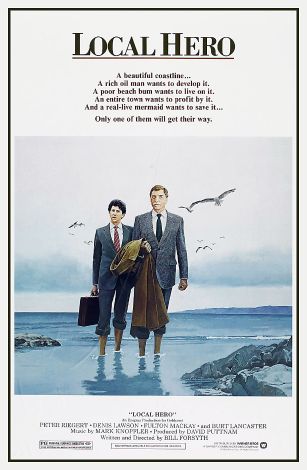
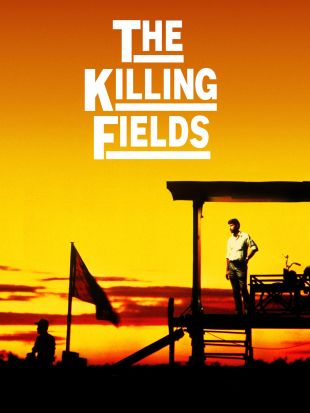
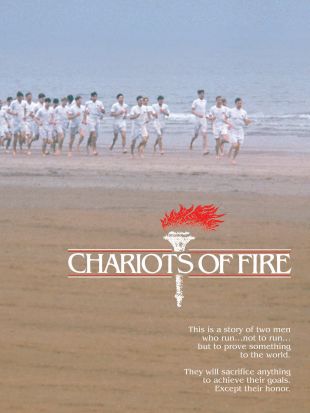
Producer David Puttnam valued artistry and the moral accountability of film characters over box-office returns. Born of a working-class family in England, he got his start as an advertising photographer in London during the 1960s. He then moved to movie production and made a few little-known films before he and director Alan Parker scored big with Bugsy Malone (1976). He and Parker then went on to make the Academy Award winning Midnight Express (1978). Amidst all the acclaim for that gripping true story of an American placed in a Turkish prison after drugs are found on him in customs, Puttnam publicly apologized for any exploitative affects the film had on audiences, thus earning him the reputation as a "responsible renegade." During his career, he had an eye for talented new directors and facilitated the debuts or breakthroughs of filmmakers such as Ridley Scott, Roland Joffe, and Bill Forsyth. He became chief of production for Columbia Pictures in 1986. There he promised to focus on cost-effective productions with an emphasis on artistry and also promised to bring in international filmmakers to diversify the type of films Columbia put out. Many of the films he produced there dealt with sensitive areas of society and politics. Puttnam avoided exploitation films and became aggressively dogmatic in his criticism of films such as Rambo because he felt the film's message morally irresponsible. He also showed little respect for the intelligence and moral fortitude of his audiences; eventually his ethical arrogance began to grate on those he worked with, and Puttnam was persuaded to leave Columbia -- with a $3 million golden parachute to soften the blow. His productions there were never released. Finally Puttnam went back to England where he continued to make films.
| Title | Year | Editors' Rating | User Rating | |
|---|---|---|---|---|
|
My Life So Far
Producer |
1999 | |||
|
Le Confessionnal
Producer |
1994 | |||
|
The Burning Season
Executive Producer |
1994 | |||
|
War of the Buttons
Producer |
1994 | |||
|
Being Human
Producer |
1993 | |||
|
Gillo Pontecorvo: The Dictatorship of Truth
Interviewee |
1992 | |||
| 1991 | ||||
|
Meeting Venus
Producer |
1991 | |||
|
Memphis Belle
Co-producer |
1990 | |||
|
The Mission
Producer |
1986 | |||
|
Defense of the Realm
Producer |
1985 | |||
|
French Lesson
Executive Producer |
1985 | |||
|
Knights and Emeralds
Producer |
1985 | |||
|
Mr. Love
Producer |
1985 | |||
|
Cal
Producer |
1984 | |||
|
Forever Young
Executive Producer, Producer |
1984 | |||
|
Secrets
Executive Producer, Producer |
1984 | |||
|
Sharma and Beyond
Producer |
1984 | |||
|
The Killing Fields
Producer |
1984 | |||
|
Those Glory, Glory Days
Executive Producer |
1984 | |||
|
Winter Flight
Executive Producer, Producer |
1984 | |||
|
Arthur's Hallowed Ground
Producer |
1983 | |||
|
Local Hero
Producer |
1983 | |||
|
Red Monarch
Executive Producer, Producer |
1983 | |||
|
Experience Preferred... But Not Essential
Executive Producer |
1982 | |||
|
Kipperbang
Executive Producer, Producer |
1982 | |||
|
Chariots of Fire
Producer |
1981 | |||
|
Foxes
Producer |
1980 | |||
|
Midnight Express
Producer |
1978 | |||
|
The Duellists
Producer |
1977 | |||
|
Bugsy Malone
Executive Producer |
1976 | |||
|
Brother, Can You Spare a Dime?
Producer |
1975 | |||
|
Lisztomania
Producer |
1975 | |||
|
Mahler
Producer |
1974 | |||
|
Stardust
Composer (Music Score), Musical Arrangement, Musical Direction/Supervision, Producer |
1974 | |||
|
Swastika
Producer |
1973 | |||
|
That'll Be the Day
Producer |
1973 | |||
|
The Final Programme
Executive Producer |
1973 | |||
|
Glastonbury Fayre Festival
Producer |
1972 | |||
|
The Pied Piper
Producer |
1972 | |||
|
Melody
Producer |
1971 | |||
|
Golden Greats of Cricket: Batsmen
Producer |
NOT YET RELEASED |