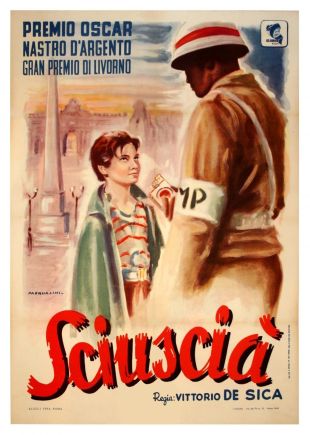
Shoeshine (1946)
Directed by Vittorio de Sica
Genres - Drama |
Sub-Genres - Coming-of-Age |
Run Time - 93 min. |
Countries - Italy |
MPAA Rating - NR
Share on
Synopsis by Hal Erickson
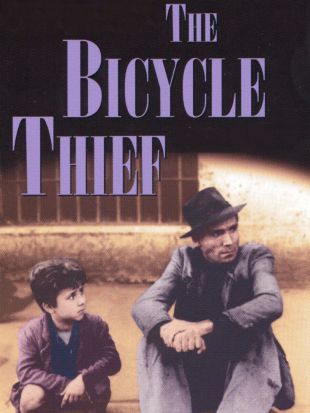
Vittorio DeSica's Shoeshine (Sciuscia) is a must-see example of Italian neorealist cinema, ranking with such other neorealist classics as DeSica's Bicycle Thieves (1948) and Umberto D. (1952) and Roberto Rossellini's Rome, Open City (1945). Using nonprofessional actors, DeSica and co-screenwriter Cesare Zavattini, also one of neorealism's leading figures, paint an uncompromising picture of the lives of Italian street children abandoned by their parents at the end of World War II. The film concentrates on two such children, Giuseppe (Rinaldo Smerdoni) and Pasquale (Franco Interlenghi). With no one else to turn to, the boys form a solid friendship, as well as a "corporation" of sorts: they eke out a living shining the boots of American GIs. The boys' hope for a rosier future is manifested in their dreams of owning a beautiful white horse. This, along with all their other aspirations, is eradicated when the boys are inadvertently shipped off to a reformatory. A failure in Italy (director DeSica noted that postwar Italian audiences preferred the glossy escapism emanating from Hollywood), Shoeshine was a huge success worldwide, as well as the winner of a special Academy Awards. Like Bicycle Thieves, it combines DeSica's frequent focus on children with his emphasis on post-war social problems.
Characteristics
Moods
Themes
Keywords
survivor, war, arrest, betrayal, black-market, friendship, horse, occupation [military], poverty, prison, reformatory, relationship, struggle, boy, English [nationality], Italy, marketing
Attributes
High Artistic Quality, High Historical Importance