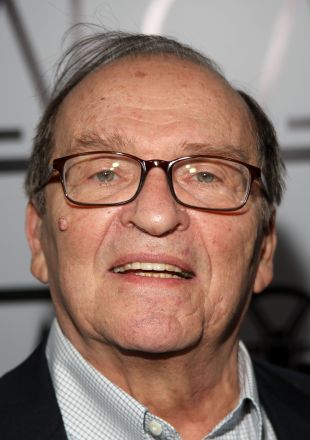
American director Sidney Lumet originally planned to follow in the footsteps of his father, Yiddish Art Theatre actor Baruch Lumet. On-stage from the age of five, the younger Lumet studied at New York's Professional Children's School and acted in numerous Broadway productions, most notably Dead End. With several other New York-based actors, Lumet was featured in the agitprop film drama One Third of a Nation (1939); he played Sylvia Sidney's crippled kid brother, sparking the film's climax by setting fire to a disease-ridden tenement house and perishing in the conflagration.
After wartime service, Lumet decided he'd had enough of acting and started to focus on the production end of the business. Working his way up the summer stock ladder, Lumet began directing for live television in 1950, working on such distinguished series as Omnibus and Studio One, and filmed anthologies like Alcoa-Goodyear Theatre. He directed his first film, Twelve Angry Men (1957), at the request of producer/star Henry Fonda; the director later confessed that it was a grueling learning experience for both himself and novice producer Fonda, though he took pride in finishing the film in 19 days and under budget. For his efforts, he garnered a Best Director Oscar nomination. Lumet directed a few more films, but drew more satisfaction out of stage and TV work. In 1960, he gained notoriety for directing The Sacco-Vanzetti Story on NBC; the drama drew flack from the state of Massachusetts (where Nicola Sacco and Bartolomeo Vanzetti were tried and executed) because it was thought to postulate that the condemned murderers were, in fact, wholly innocent. But the brouhaha actually did Lumet more good than harm, sending several prestigious film assignments his way, including his 1962 artistic triumph Long Day's Journey Into Night.
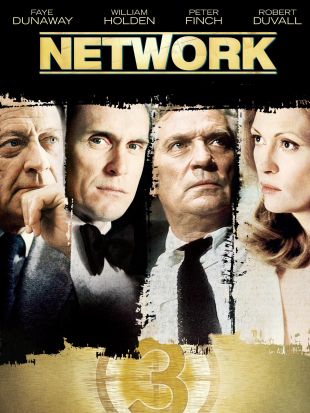
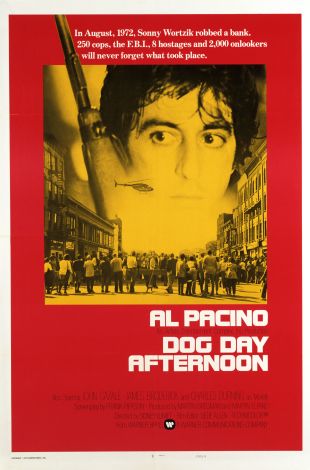
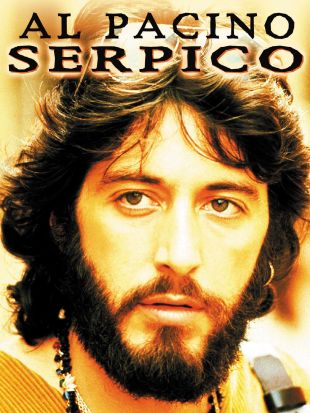
Proponents of the "auteur" theory, who insist that a director should leave his personal signature on each film, have long been confounded by Lumet, who has refused to do anything twice in his movie work. After directing the Cold War suspense dramaFail-Safe (1964) and the tense war-guilt character study The Pawnbroker (1965), he went on to explore Jewish middle-aged angst in Bye Bye Braverman (1969); tried his hand at a roller coaster police-thriller with Serpico (1973); made the shaggy-dog bank robbery account Dog Day Afternoon (1974); ventured into mystery with the slick, stylish Murder on the Orient Express (1974); won awards for his media satire Network (1976); explored the battle between the sexes in the hilarious Just Tell Me What You Want (1980); and looked at the grim arena of underworld crime in The Family Business (1989).
Lumet handled these diverse projects with considerable skill, managing to turn out a body of remarkably diverse work. In 1993, the director, as full of surprises as ever, delivered a nail-biting whodunit, Guilty As Sin. Plagued with numerous plot holes and illogical character behavior, it was not his best, but after a couple of years of inactivity, Lumet was back at work, producing and directing 1997's Critical Care, and writing and directing Night Falls on Manhattan the same year. The former, a hospital satire starring Albert Brooks, James Spader, and Helen Mirren, failed to make much of a critical or commercial impression, but the latter, a crime thriller featuring Andy Garcia, Richard Dreyfuss, Lena Olin, and Ian Holm, enjoyed some measure of critical acclaim. Lumet's next effort was a 1999 remake of John Cassavetes' 1980 film Gloria. Starring Sharon Stone in the title role that was originally played by Gena Rowlands, the film met an unfortunate critical and commercial fate, netting bad reviews and audience indifference. However, Lumet -- who had, by this point, been nominated for five Oscars (four for Best Director and one for Best Adapted Screenplay) over the course of his career -- managed to survive this relative failure with his reputation pretty much intact; in fact, many acknowledged that even a second-rate Lumet was better than the first-rate work of many other directors.